
Warehouse Management Solution: How Ramco Systems Helps Optimise Warehouse Operations
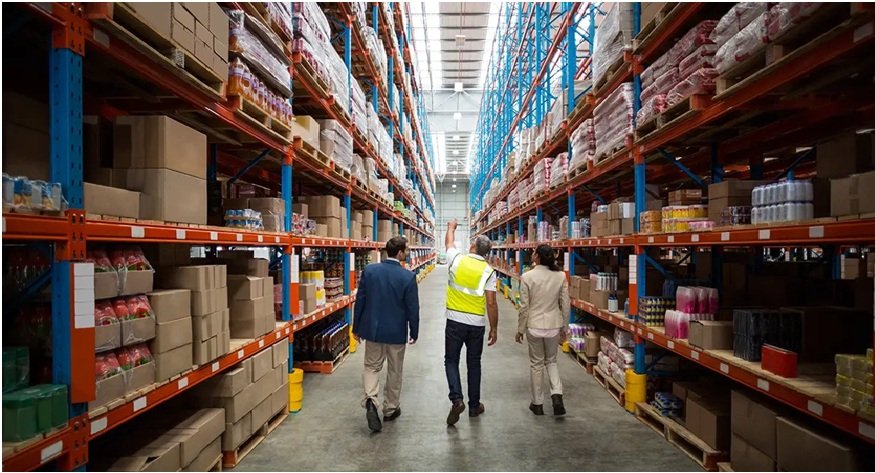
Efficient warehouse management is essential for businesses operating in logistics, e-commerce, manufacturing, retail, and distribution. As supply chains become more complex and customer expectations for faster deliveries continue to increase, organisations need better control over inventory, order fulfilment, warehouse space, and daily operations.
Traditional warehouse processes often involve manual activities, disconnected systems, and limited inventory visibility. These challenges can lead to picking errors, delayed shipments, inefficient resource utilisation, and increased operating costs.
A modern warehouse management solution helps businesses address these challenges by streamlining warehouse activities, improving inventory accuracy, and providing real-time operational visibility. With capabilities such as inventory tracking, order fulfilment optimisation, system integration, and reporting, warehouse management software can help organisations build more efficient supply chain operations.
Ramco Systems offers warehouse management capabilities as part of its integrated logistics software platform, helping businesses connect warehouse operations with transportation, fleet, hub management, rating and billing, and finance.
Read More: How Everyday Gold Buyers in Maharashtra Can Save More
What Is a Warehouse Management Solution?
A warehouse management solution is software designed to manage and optimise activities within a warehouse. It helps organisations monitor inventory, coordinate order processing, manage storage locations, and improve the movement of goods from receiving to dispatch.
A Warehouse Management System (WMS) acts as an important part of the supply chain by reducing process bottlenecks and improving the speed and accuracy of warehouse operations.
A modern WMS typically supports:
- Real-time inventory tracking and stock visibility.
- Order processing, picking, and packing.
- Warehouse layout and space optimisation.
- Inventory movement and location management.
- Integration with ERP, CRM, and supply chain systems.
- Operational monitoring and reporting.
By connecting these activities, businesses can improve warehouse productivity, reduce errors, and respond more effectively to customer requirements.
Why Do Businesses Need a Modern Warehouse Management Solution?
Managing a warehouse involves several interconnected processes. Without an integrated system, businesses may struggle to maintain accurate stock information, coordinate employees, and fulfil orders within expected timelines.
A warehouse management solution helps organisations manage these processes through a more structured and technology-driven approach.
- Improved Inventory Visibility
Knowing what stock is available, where it is located, and how it moves through the warehouse is essential for effective inventory management.
A WMS supports real-time tracking of inventory levels, locations, and movements. Technologies such as barcodes and RFID tags can help keep inventory information updated and accessible to authorised managers.
Better visibility can help businesses reduce overstocking and understocking while improving inventory planning.
- Faster and More Accurate Order Fulfilment
Order fulfilment requires accurate picking, packing, and dispatch processes. Manual coordination can increase the possibility of errors and delays, particularly when warehouses handle large order volumes.
Warehouse management software helps optimise picking routes and strategies. It can support methods such as wave picking, zone picking, and batch picking to reduce unnecessary warehouse travel.
Orders can also be prioritised based on delivery deadlines and other business requirements, helping teams process important orders efficiently.
- Better Warehouse Space Utilisation
Warehouse space is a valuable operational resource. Poor storage planning can reduce available capacity and make it difficult for employees to locate products quickly.
A warehouse management solution helps businesses plan warehouse layouts by considering factors such as product size, weight, and access frequency.
Optimising storage locations can improve space utilisation and support smoother warehouse operations.
- Increased Workforce Productivity
Warehouse employees handle activities such as receiving, storing, picking, packing, and dispatching goods. Disconnected processes and repetitive manual work can reduce productivity.
A WMS helps streamline these activities by providing structured workflows and better operational visibility. This allows employees to spend less time on repetitive tasks and focus on important warehouse activities.
- Reduced Operating Costs
Inventory errors, inefficient picking routes, excess storage, and delayed fulfilment can increase warehouse operating expenses.
Read More: Steven Rindner Provides a Beginner’s Guide to Preparing forthe First Trail Race
By improving inventory management, streamlining workflows, and reducing errors, warehouse management software can help businesses control operating costs and minimise waste.
Key Features to Look for in a Warehouse Management Solution
Selecting the right warehouse management software requires an understanding of the capabilities needed to support daily operations. Businesses should consider the following features when evaluating a WMS.
- Inventory Tracking and Management
Inventory tracking is one of the most important functions of warehouse management software.
A WMS should help businesses monitor:
- Current inventory levels.
- Product storage locations.
- Stock movement within the warehouse.
- Inventory availability.
- Receiving and dispatch activities.
Real-time inventory information helps warehouse managers make informed decisions and maintain better control over stock.
- Order Fulfilment and Picking Optimisation
Efficient order fulfilment depends on selecting the right products and moving them through the warehouse with minimal delays.
A warehouse management solution should support different picking strategies, including:
- Wave picking: Processing groups of orders together based on defined criteria.
- Zone picking: Assigning warehouse employees to specific storage zones.
- Batch picking: Picking products for multiple orders during a single warehouse trip.
These approaches can reduce unnecessary movement, improve picking productivity, and support faster order processing.
- Warehouse Layout and Space Optimisation
An effective WMS should help businesses make better use of available warehouse space.
Storage planning can consider product dimensions, weight, accessibility, and the frequency with which items are required. This helps organisations arrange inventory more efficiently and improve the movement of goods.
- Integration with Other Business Systems
Warehouse operations do not function independently. They are connected to transportation, finance, procurement, customer management, and wider supply chain activities.
Modern warehouse management software should support integration with systems such as:
- Enterprise Resource Planning (ERP).
- Customer Relationship Management (CRM).
- Supply Chain Management (SCM).
- Transportation Management Systems (TMS).
- Accounting and e-commerce platforms.
Integration helps improve information exchange and provides businesses with a more connected view of their operations.
- Real-Time Visibility and Reporting
Warehouse managers need timely information to monitor performance and identify operational issues.
A WMS should provide visibility into important areas such as inventory levels, order status, and workforce productivity.
Reporting capabilities help managers understand warehouse performance, monitor activities, and respond to operational challenges more effectively.
Types of Warehouse Management Systems
Warehouse management systems are available in different formats depending on business requirements, infrastructure, and operational complexity.
Stand-Alone Warehouse Management Systems
Stand-alone WMS platforms focus on warehouse activities such as inventory management, order fulfilment, and storage operations without necessarily being connected to other enterprise applications.
These systems may suit small and medium-sized businesses looking for dedicated warehouse functionality and a relatively straightforward implementation.
On-Premise Warehouse Management Systems
On-premise WMS software runs on an organisation’s own computing infrastructure and servers.
This approach can offer businesses control over their systems, data management, and customisation. However, it may involve higher upfront infrastructure investment and ongoing IT maintenance requirements.
Cloud-Based Warehouse Management Systems
Cloud-based WMS platforms are hosted on cloud infrastructure and accessed through the internet.
They can offer several advantages, including:
- Subscription-based access.
- Reduced upfront infrastructure investment.
- Access to warehouse information from different locations.
- Scalability as business requirements change.
- Integration with other cloud-based applications.
Cloud-based solutions can be particularly useful for organisations managing multiple warehouses or supporting distributed operations.
Industry-Specific Warehouse Management Systems
Some WMS platforms are designed to address the operational requirements of particular industries.
Retail, e-commerce, manufacturing, and logistics businesses may require different warehouse workflows and specialised capabilities. Industry-specific solutions help organisations align warehouse processes with their business operations.
Benefits of Implementing a Warehouse Management Solution
Implementing warehouse management software can improve several aspects of supply chain performance.
Improved Inventory Accuracy and Stock Visibility
Real-time inventory tracking helps businesses maintain updated stock information. With better visibility into product quantities and locations, managers can make more informed inventory decisions.
This can reduce discrepancies, support replenishment planning, and help businesses avoid unnecessary overstocking or stock shortages.
Enhanced Order Accuracy and Fulfilment Speed
Optimised picking and packing workflows can reduce order processing errors. Efficient picking strategies and better inventory visibility help warehouse teams identify and process the correct products.
Accurate and timely order fulfilment can improve customer satisfaction and reduce the operational costs associated with returns and exchanges.
Increased Operational Efficiency
Warehouse management software helps automate and streamline several warehouse activities. Better coordination between processes can reduce repetitive manual work and improve workforce productivity.
Reduced Operating Costs and Waste
Efficient inventory management can help control storage costs, while optimised picking and packing processes can reduce unnecessary labour and operational waste.
Fewer processing errors can also reduce the time and resources spent correcting mistakes.
Improved Customer Satisfaction and Retention
Customers expect accurate orders and timely deliveries. A WMS helps businesses improve fulfilment processes and maintain better control over inventory.
When customers receive the correct products within expected delivery timelines, businesses can strengthen customer relationships and encourage repeat purchases.
Common Challenges in Warehouse Management System Implementation
Although a WMS can improve warehouse operations, successful implementation requires planning and coordination.
- Integration with Existing Systems
One of the key challenges is connecting warehouse management software with existing ERP, CRM, and supply chain applications.
Differences in technology platforms, data formats, and communication protocols can create integration difficulties.
Businesses should evaluate integration requirements before implementation and ensure that information can be exchanged accurately between connected systems.
- Data Security and Compliance
Warehouse systems may contain sensitive customer, supplier, and business information.
Organisations should evaluate the security capabilities of a WMS, including data encryption, access controls, and regular security reviews. The selected solution should also align with relevant data protection requirements and industry standards.
- Employee Training and Change Management
Introducing a new warehouse management system can change established working methods. Employees who are accustomed to manual processes may need time to adapt.
Clear communication, practical training, and employee involvement can make the transition easier. Businesses should explain the purpose of the new system and help warehouse teams understand how it supports their daily responsibilities.
- Scalability and Future Business Requirements
Warehouse requirements can change as businesses expand, handle higher order volumes, introduce new product lines, or open additional facilities.
A warehouse management solution should be capable of supporting changing operational requirements. Businesses should evaluate scalability and flexibility before making a long-term technology investment.
Future Trends Shaping Warehouse Management Solutions
Warehouse operations are evolving as businesses adopt new technologies to improve accuracy, speed, and productivity.
Artificial Intelligence and Machine Learning
AI and machine learning can help businesses analyse operational data and identify patterns. In warehouse environments, these technologies can support picking route recommendations, inventory planning, and demand forecasting.
Internet of Things (IoT)
IoT devices can help track goods and monitor warehouse activities in real time. Connected devices can improve inventory visibility and provide more accurate information about the movement of products.
Robotics and Warehouse Automation
Automated Guided Vehicles (AGVs) and robotic picking systems can support repetitive warehouse activities. These technologies can help reduce manual effort, improve consistency, and increase operational efficiency.
Cloud-Based Warehouse Management
Cloud-based WMS solutions provide flexibility and remote accessibility. Businesses can adjust their operations as requirements change without depending entirely on extensive on-premise infrastructure.
Autonomous Vehicles and Drones
Autonomous vehicles can help move products within warehouse facilities, while drones can support inventory checks in high or difficult-to-access storage areas.
These technologies are contributing to the development of more automated warehouse environments.
Predictive Analytics and Demand Forecasting
Predictive analytics uses historical information and current trends to help businesses understand potential demand patterns.
Warehouse management systems with predictive capabilities can support inventory planning and help organisations reduce the risk of excess or insufficient stock.
How Ramco Systems Supports Integrated Warehouse Operations
Warehouse management becomes more effective when it is connected with the wider logistics ecosystem. Businesses need visibility not only into warehouse activities but also into transportation, fleet operations, hub management, billing, and finance.
Ramco Systems offers Warehouse Management as part of its integrated logistics software platform. The solution is designed to connect warehouse operations with other logistics functions through a unified environment.
Ramco’s logistics platform includes:
- Warehouse Management System (WMS): Helps optimise warehouse operations and order fulfilment.
- Transportation Management System (TMS): Supports transportation processes from booking to invoicing.
- Rating and Billing: Helps automate billing activities and reduce revenue leakage.
- Fleet Management: Supports asset utilisation and cost management.
- Hub Management: Helps simplify freight and hub operations.
- Finance: Supports financial control and reporting.
By bringing these capabilities together, Ramco helps logistics businesses manage different operational activities through an integrated platform.
Real-World Examples of Ramco Warehouse Management Capabilities
Supporting an Indonesian Logistics Service Provider
A major Indonesian logistics service provider expanded from traditional logistics into freight management, project logistics, warehousing, bonded logistics, port management, shipping, and other services.
To support its growing operational complexity, Ramco implemented an end-to-end logistics solution covering Transportation Management, Warehouse Management, Hub Management, Fleet Management, Rating and Billing, and Finance.
The integrated platform helped the organisation streamline communication, improve transparency, automate invoicing, improve job planning and execution, and provide dedicated customer portals.
This example highlights the value of connecting warehouse management with wider logistics operations.
Enabling a Robotic Fulfilment Centre for an E-Commerce Logistics Provider
Ramco Systems partnered with an Atlanta-based e-commerce logistics provider that wanted to expand its operations through a modern robotic fulfilment centre.
The provider faced challenges related to peak-season congestion, staffing, and holiday demand. Ramco’s logistics software, including its warehouse management capabilities, was integrated with the client’s robotic systems.
The solution also connected logistics elements such as shopping carts, carriers, and marketplaces through file formats and standard APIs.
Following deployment, the project reported improvements in order turnaround times and resource utilisation. It demonstrated how WMS integration with robotics can help businesses move towards more automated warehouse operations.
Conclusion
A modern warehouse management solution is an important investment for businesses looking to improve inventory accuracy, streamline order fulfilment, optimise warehouse space, and increase operational efficiency.
From real-time inventory tracking and picking optimisation to reporting and integration with other enterprise systems, a WMS helps organisations manage warehouse activities more effectively.
Ramco Systems provides warehouse management capabilities as part of its integrated logistics software platform, connecting WMS with transportation, fleet, hub management, rating and billing, and finance. Its customer implementations demonstrate how an integrated approach can support greater operational visibility, improved coordination, and more efficient logistics processes.
For businesses looking to modernise warehouse operations and strengthen supply chain performance, exploring an integrated warehouse management solution from Ramco Systems can be a valuable next step.
Frequently Asked Questions (FAQs)
1. What is a Warehouse Management System (WMS)?
A Warehouse Management System is software that helps businesses manage and optimise warehouse activities, including inventory tracking, storage, order processing, picking, packing, and dispatch.
2. What are the different types of warehouse management systems?
The main types include stand-alone WMS, on-premise WMS, cloud-based WMS, and industry-specific WMS. Each type offers different capabilities depending on the organisation’s operational requirements and technology infrastructure.
3. What are the key features of a warehouse management solution?
Important features include real-time inventory tracking, order fulfilment optimisation, picking and packing management, warehouse space planning, integration with other business systems, and operational reporting.
4. How does WMS improve inventory management?
A WMS helps businesses track stock levels, storage locations, and inventory movements in real time. This improves stock visibility, reduces inventory discrepancies, and supports better planning.
5. What are the main benefits of implementing a WMS?
The main benefits include improved inventory accuracy, faster order fulfilment, increased workforce productivity, reduced operating costs, better warehouse space utilisation, and enhanced customer satisfaction.
6. What future trends are shaping warehouse management systems?
AI, machine learning, IoT, robotics, cloud technology, autonomous vehicles, drones, and predictive analytics are among the technologies shaping the future of warehouse management.
7. How does Ramco Systems support warehouse management?
Ramco Systems offers Warehouse Management as part of its integrated logistics software platform. It connects warehouse operations with transportation, fleet management, hub management, rating and billing, and finance to support more coordinated logistics operations.