Everest Three Pass & Mardi Himal Trek: Nepal High Mountain Trails
Nepal looks small on a map, but inside it keeps a whole world of mountains, magic culture, people with big hearts, and trails that can change your thinking for a lifetime. Many trekkers come to Nepal for one big trek only, but many who know better choose many treks or combine treks or return to Nepal again and again, like an addiction. Because these mountains, they call you back. When you walk in the Himalaya region, you feel many things: pain, beauty, tiredness, joy, awe, little fear, little faith, and the feeling that you are part of something bigger than yourself.
Trekking in Nepal is not just walking on a trail. It also includes talking with locals, eating dal bhat and hot ginger lemon honey tea, watching the sunset touching snow peaks, sitting quietly in a tea house, and listening to prayer flags wave that whisper like the old language of the mountain. Here we write about the Annapurna Circuit Trek, the Everest Three Pass Trek, the Mardi Himal Trek, and the Everest Base Camp Trek, all in simple language, not fancy grammar, only real vibes.
Annapurna Circuit Trek
The Annapurna Circuit is maybe the most classic trekking route in Nepal and the whole world also. It’s an old trek, a famous trek, not hidden, but still magical like the first time. The trek go around the biggoes mountain Annapurna and many other peaks. You walk through jungle, then valley, then stone village, then Buddhist monasteries, then alpine landscape, and then finally moon-land rock desert before crossing Thorong La Pass at 5416 m, which is very high.
People start from Besisahar normally, and they walk day by day. Many villages along the way, like Jagat, Dharapani, Chame, Pisang, Manang, Yak Kharka, Thorong Phedi, and Muktinath. You see landscape change like a movie scene shift. One day full green with waterfalls, the next day dry with yaks grazing.
Manang is a special place for acclimatization. People stay here an extra day, doing short hikes, because the altitude is getting real. Villagers are friendly; they smile easily. On a cold evening a fire burns in the dining room, everyone sitting around with tea and sharing stories. Maybe someone came from Spain, someone from Korea, and someone from the USA, but in that room all are the same: tired trekkers.
Thorong La Pass day is a crazy day. People wake up at 3:00 or 4:00 am. It is dark and cold, with wind carrying ice crystals. You walk slowly, step by step. Some headache, some heavy breathing. But after crossing the pass, when you see the sign “Thorong La 5416m,” you feel nearly like crying. Many cry indeed. That moment is like victory over altitude and over your own weaknesses.
And then down to Muktinath, where there is a holy temple for both Hindus and Buddhists. After that the trek goes to the Jomsom side or the Tatopani side or even Ghorepani Poon Hill if people want more scenery.
The Annapurna Circuit is not the hardest trek but a long-time trek and gives much variety. This trek shows you both nature and culture in Nepal. One day Buddhist village, next day Hindu village. Landscape is always changing. That is why many trekkers say if you only take one trek in life, then choose the Annapurna Circuit.
Everest Three Pass Trek
Now this one is a real BEAST trek in Nepal. The Everest Three Pass Trek is super tough, and people do this only when they want a high challenge. The normal Everest Base Camp Trek is already high. But this trek has three BIG passes: Renjo La Pass (5360 m), Cho La Pass (5420 m), and Kongma La Pass (5535 m). You cross all these and also can reach Everest Base Camp and Kala Patthar. So this trek is a combination of many parts.
This trek is not for beginners if they do not have mental stamina. You walk on rocky moraine, glacier crossings, sometimes icy patches, and wind blasts. The Everest region itself is dramatic. Big mountains like Lhotse, Makalu, Ama Dablam, Nuptse, and of course Everest itself, the king.
But this trek is beautiful too. When crossing Renjo La, you see from the top the whole Gokyo Valley with beautiful blue and turquoise lakes shining like jewels between rocks. The Gokyo Ri viewpoint is also amazing. Then Cho La Pass takes you near the glacier zone. Many trekkers say this is the scariest and most exciting part. And Kongma La is a frontier-like wild crossing, the hardest but most epic.
While walking, you stay in teahouses. Sherpa people run lodges. Sherpa culture is very rich. They are honest, kind, and mountain-strong. Prayer wheels everywhere. Mani stones with carved mantras: “Om Mani Padme Hum.” The Everest region feels spiritual even if you are not religious.
This trek can make you more humble. You feel small but part of the universe. You realize air is thin, but somehow energy is strong.
Mardi Himal Trek
The Mardi Himal trek is a smaller trek compared to the Annapurna or Everest region. But it has sweet charm and a more quiet trail. This trek goes up to Mardi Himal Base Camp around 4500 m. The start can be from Kande or Phedi or also the Australian Camp region. People walk through dense forest with moss and rhododendron trees, and after some days the trail goes above the treeline to a ridge path.
Mardi Himal is close to the famous Machhapuchhre (Fishtail Mountain). That mountain has a shape like a fish tail, looks smooth and elegant, and has never been climbed on the summit because it is sacred for locals. From viewpoints on Mardi, you see Machhapuchhre very near; it looks like a giant guardian.
Many trekkers choose Mardi because it has a short duration, like 5–7 days, and is also less crowded than Annapurna Base Camp or Everest Base Camp. Some prefer quietness. And this trek has that quiet, gentle feeling. Morning sunrise turns mountains golden. In the evening, the sky gets pink and violet. It feels peaceful.
Tea houses here are smaller and have more family vibes. They cook simple dal bhat, fried rice, and noodle soup and drink hot tea. Many trekkers sit outside at night and watch stars. At high camp the world feels close to heaven.
The Mardi Himal Trek is ideal for people who want a Himalayan experience but not an extremely difficult one. It gives a calm memory. Many call this trek “the little jewel of the Annapurna region.”
Everest Base Camp Trek
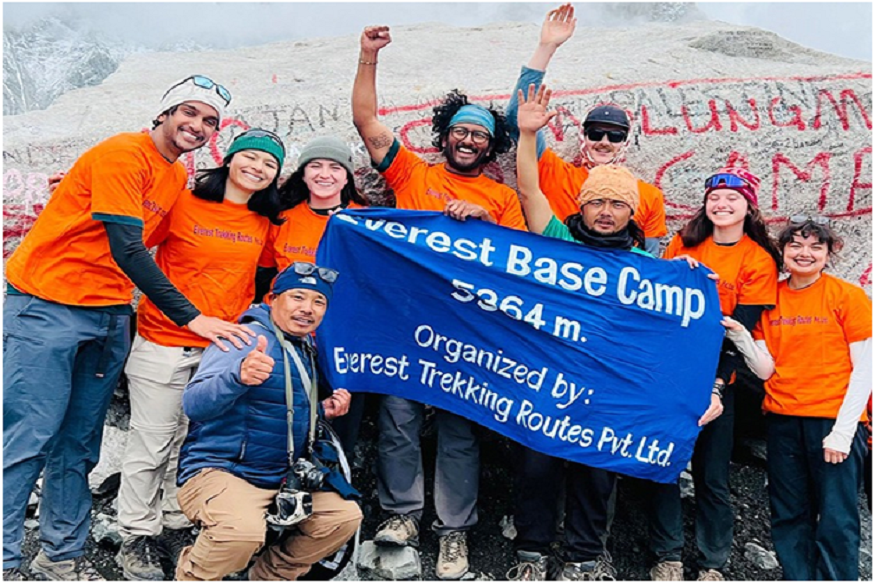
Maybe the biggest dream trek ever: the Everest Base Camp Trek. People from the whole world want to stand at the foot of mighty Sagarmatha (Everest). Many don’t wish to climb to the summit, but reaching base camp itself is like a big achievement.
The trek starts from Lukla, an airport famous for its short and dramatic runway. Then the trail goes to Phakding, Namche Bazaar, Tengboche, Dingboche, Lobuche, Gorak Shep, and finally Everest Base Camp.
Namche Bazaar is like the capital of Sherpa. Traders, shops, bakeries, gear stores, everything. On rest day here trekkers go on an acclimatization hike to Everest View Hotel. You see Ama Dablam shining like a perfect pyramid. People love Namche because of its cheerful energy.
Up higher the land becomes raw ice and rock. The Dingboche and Lobuche areas are like waiting rooms for the next stage. Trekkers walk slow, talk less, and breathe deep. Prayer flags color lines across the valley.
Reaching base camp itself is a wild moment. There are glacier noises, cracking, and shifting. During climbing season there are tents everywhere, like a yellow city on ice. In the non-climbing season the camp is emptier, but still you feel the presence of the mountain.
Many trekkers also go to the Kala Patthar viewpoint around 5550 m to see the sunrise hitting Everest and other peaks. This is best view of Everest maybe. That moment was very emotional for many.
The Everest Base Camp Trek is medium-hard, but the altitude makes it tough. But thousands do it each year because the dream is strong.
Why does trekking in Nepal feel different?
Something special in Nepal that other mountain countries cannot duplicate fully. The hospitality of locals, the mix of culture, the spiritual feeling in the Himalayan air, and the connection between trekker and mountain.
You might walk tired for a whole day but reach a tea house where the host brings you hot soup and smiles, and suddenly you feel comfort like home. You meet trekkers from many countries and make sudden friendships.
And Nepal treks are not only mountain scenery. They also show a spiritual side. You see stupas, chortens, prayer walls, and monasteries where monks chant softly. The prayer flags waving carry blessings to the wind.
You do not need perfect language or grammar here. You speak broken English, hand gesture, smile—all works.
Choosing between these treks
Some people are confused—which one is best?
If you want variety of landscape, cultural mix, and scenic villages, the Annapurna Circuit is the winner.
If you want a challenge and a wild high-pass crossing, Everest Three Pass is the champion.
If you want a gentle, peaceful, short trek with great views, Mardi Himal is perfect.
If you want an iconic dream trek and a world-known route, Everest Base Camp is best.
Yes, all different, but all unforgettable.
Altitude experience
Altitude in Nepal trekking is real, like a silent monster. It creeps slowly. Some people feel fine, some dizzy. That is why acclimatization days are important. The mountain teaches a lesson: go slow.
On the Annapurna Circuit, altitude hits around Manang and Thorong La. In the Everest region, altitude hits around Namche and Dingboche onward. Mardi Himal has a less extreme altitude, but still be careful.
Your heartbeat goes faster, your breath shorter, but your brain learns to respect the mountain.
Packing and gear feeling
You carry boots, layers, a down jacket, a trekking pole maybe, gloves, and a hat. But most importantly, you carry heart with patience. People overpack sometimes but soon learn minimal gear is enough. Also, tea houses provide blankets. Hot drinks are also taken care of.
Dal bhat power—24 hours. Many trekkers joke like this. It fills the stomach and gives strength.
The emotional side
Many trekkers say when they return from a Nepal trek, something has changed inside. They become more calm, grateful, and humble. Nature gives perspective. You see infinite peaks and realize human ego is a tiny grain.
Some trekkers cry at the top of the pass. Some cry quietly in the room at night while thinking of beauty they saw. Some cry because their body is tired. But they cry with happiness also.
It is a healing journey.
Final thoughts
Nepal trekking is like walking through a living postcard. But a postcard cannot show the real feel of wind, the real taste of soup, the real tired footstep on a high trail, the real laughter of local kids, the real barking of a mountain dog following you for half an hour, or the real yak bells ringing like a metallic melody.
To truly know Nepal, you must walk its paths with a slow step and humble heart.
The Annapurna Circuit opens your eyes to a world of landscapes and culture.
Everest Three Pass humbles your body and mind.
Mardi Himal soothes your soul.
Everest Base Camp fulfills your dream.
Different treks, same magic.
And maybe after reading this you will decide: yes, I will trek Nepal one day. And when you stand in those mountains, I think you will understand what no written words can fully express.
Contact Details
Company address: Everest Trekking Routes Pvt. Ltd.
16 Khumbu, Nayabazaar, Kathmandu, Nepal
Mobile : +977-9843467921 (Rabin)
Email: info@everesttrekkingroutes.com
URL:– www.everesttrekkingroutes.com