
Depreciation Impact on Vehicle Loan Terms
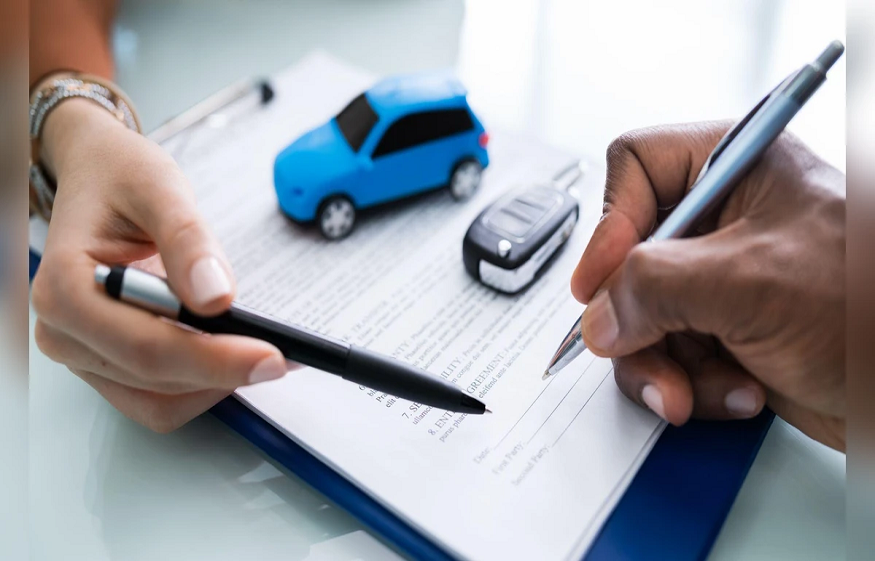
Buying a car is a major financial milestone for most people. While the excitement of a new ride is undeniable, the financial reality behind the scenes is often driven by a single factor: depreciation. This is the rate at which a vehicle loses its value over time, and it plays a massive role in how lenders structure your financing.
When you apply for a car loan, the lender is not just looking at your credit score. They are also looking at the asset that secures the debt. Because cars are depreciating assets, the balance between what you owe and what the car is worth changes every single day. Understanding this dynamic is essential for anyone looking to stay financially healthy while on the road.
Understanding the Relationship Between Value and Debt
The moment you drive a new vehicle off the lot, its market value drops. This initial hit is often the steepest, sometimes reaching twenty percent in the first year alone. For anyone with an auto loan, this creates an immediate challenge. The loan balance does not drop as quickly as the car value does. This gap is what many people call being “upside down” or having negative equity.
Read More: Joint Home Loan in case of Non-working Co-applicant
Lenders are acutely aware of this trend. They know that if they provide a loan for the full purchase price, they are holding a piece of collateral that is worth less than the debt almost immediately. To protect themselves, they adjust the terms of the car loan to account for this inevitable loss in value. This is why you might see stricter requirements for vehicles that are known to lose value faster than average.
How Depreciation Influences Auto Loan Approval
When you submit an application for an auto loan, the lender calculates a loan-to-value ratio. This ratio compares the amount of money you want to borrow against the actual worth of the vehicle. If a car depreciates rapidly, the lender sees a higher risk. If you were to stop making payments, the lender would need to repossess and sell the car. If the car has lost too much value, the sale won’t cover the remaining debt.
Because of this risk, depreciation can directly impact whether your loan is approved. For vehicles with high depreciation rates, lenders may require a higher credit score or a more stable income history. They want to be sure that you are committed to the loan even when the car is worth significantly less than what you owe. In some cases, they may even refuse to finance certain models that have a history of poor resale value.
The Connection Between Depreciation and Interest Rates
Interest rates are essentially a price tag on risk. When a vehicle loses value quickly, the lender takes on more risk, and they often pass that cost on to the borrower. You might find that a car loan for a vehicle with a high resale value comes with a lower interest rate than a loan for a car that depreciates quickly. The lender feels more secure knowing the asset retains its worth.
Read More: 5 Top Reasons You Can Consider a Personal Loan in 2021
Furthermore, depreciation can affect the interest rates on used cars differently than on new ones. A used car has already gone through its biggest drop in value. However, it also has a shorter remaining lifespan. Lenders must balance these two factors when setting rates. If a car is expected to be worth very little in three years, the lender will want to collect more interest upfront to mitigate the potential loss.
Why Loan Terms Matter for Depreciating Assets
The length of your car loan is one of the most significant factors in managing depreciation. In recent years, it has become common to see loan terms stretching to six or seven years. While these long terms result in lower monthly payments, they can be dangerous when paired with a depreciating asset. If the loan term is too long, the vehicle might reach the end of its useful life before the debt is fully paid.
When you choose a shorter term, you pay down the principal balance faster. This helps you stay “above water,” meaning the car is worth more than the loan balance. Most financial experts suggest that your loan term should not exceed five years. This ensures that the rate of your debt reduction stays ahead of the rate of the vehicle’s depreciation. Long terms often lead to a cycle of debt where you have to roll negative equity into your next purchase.
Strategies to Mitigate Depreciation Risk
The best way to combat the impact of depreciation on your auto loan is to start with a substantial down payment. By putting twenty percent down, you create an immediate cushion of equity. This buffer protects you from the initial drop in value that happens during the first year of ownership. It also lowers your loan-to-value ratio, which can help you secure better interest rates and more favorable terms.
Another strategy is to research the resale value of different models before you buy. Some vehicles hold their value much better than others due to reliability, brand reputation, or market demand. Choosing a car with a lower depreciation rate means your car loan will be more secure over time. Additionally, you might consider gap insurance. This type of coverage pays the difference between the car’s value and the loan balance if the vehicle is totaled in an accident, preventing you from paying for a car you can no longer drive.
Planning for the Future Value of Your Vehicle
Ultimately, depreciation is an unavoidable part of vehicle ownership, but it does not have to ruin your finances. By understanding how it affects your car loan, you can make smarter choices at the dealership. Focus on shorter loan terms, larger down payments, and vehicles that are known to hold their value. These steps will help you maintain a positive equity position and give you more flexibility when it comes time to trade in or sell.
Being proactive about depreciation allows you to treat your vehicle as a tool rather than a financial burden. When you stay ahead of the curve, you are not just paying for a car; you are building a stronger financial future. Always remember that the cheapest monthly payment is not always the best deal if it leaves you owing thousands more than the car is worth. Smart financing is about looking at the total picture of value over time.